Isabela Island - The Wild Heart of the Galápagos

Volcanoes, penguins, marine iguanas, and some of the most untouched landscapes in the archipelago.

Why Visiting Isabela?

For many travelers, Isabela becomes the highlight of their time in the Galápagos. The island offers a very different atmosphere from the more developed parts of the archipelago. Life in the small village of Puerto Villamil moves slowly, with long beaches, quiet streets, and wildlife never far away.

Because fewer people make the journey here, Isabela still feels spacious and relaxed. Visitors often find that they have more time to explore, more room to enjoy the landscapes, and a deeper connection with the natural surroundings.

At the same time, the island offers some of the most remarkable experiences in the Galápagos. From volcanic highlands to calm bays and lava-formed coastlines, Isabela is a place where both the landscapes and the wildlife feel especially close.

Quick Highlights

  • Home of the Galápagos Penguin
  • Volcanoes That Shape the Island
  • Sea Turtle Heaven
  • Flamingo Lagoons
  • Beautiful Sunsets & Relaxed Atmosphere
Where Volcanoes Meet the Ocean

What makes the island Special

Volcanic Landscapes

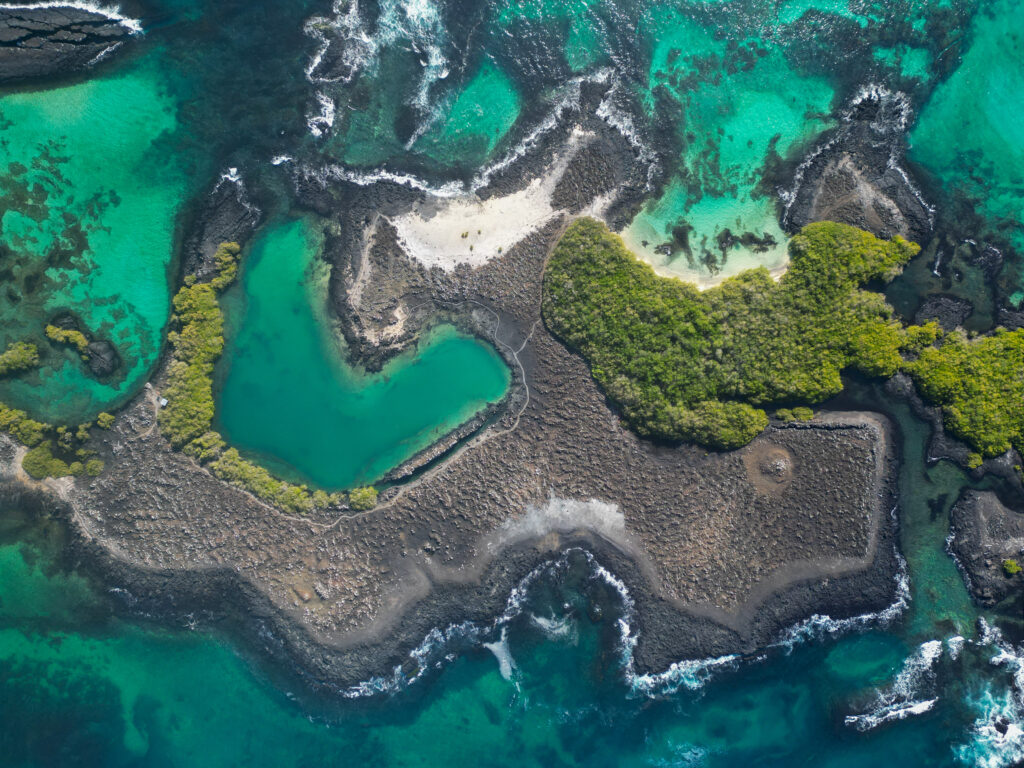
Isabela is unlike any other island in the Galápagos. Formed by six shield volcanoes rising from the ocean floor, it is both the largest and one of the youngest islands in the archipelago. Much of the landscape still feels raw and newly shaped by volcanic activity — vast lava fields, rugged coastlines, and the immense caldera of Sierra Negra dominating the island’s highlands.

Wildlife Encounters

These dramatic landscapes create a surprising diversity of environments within a relatively small area. Mangrove lagoons, quiet bays, rocky lava shores and fertile volcanic slopes all support a remarkable variety of wildlife. Marine iguanas gather along the black lava rocks, sea turtles move through the calm coastal waters, and the rare Galápagos penguin can often be seen hunting close to shore.

The waters around Isabela are among the most rewarding places to snorkel in the Galápagos. Protected coves and lava-formed channels create natural refuges where reef sharks, rays, sea turtles and colorful fish are regularly encountered. Many of the island’s most spectacular sites can only be reached by boat, which keeps these areas feeling remote and untouched.

Life on Isabela

At the same time, life on Isabela remains simple and relaxed. Puerto Villamil is a small village where sandy streets lead to long white beaches and flamingos gather in coastal lagoons. Evenings are quiet, and sunsets often unfold over an open horizon of ocean and volcanoes. Together, these elements create a place that feels expansive, wild, and deeply connected to the natural forces that shaped the Galápagos Islands.

Free and Low-Cost Things to Do on Isabela Island

One of the great pleasures of staying on Isabela Island is that many memorable experiences don’t require a tour at all. Puerto Villamil is small, easy to explore on foot or by bicycle, and wildlife encounters often happen just steps from the beach.

Taking time to simply wander, observe and enjoy the surroundings is part of what makes a stay on Isabela so rewarding. In addition to guided excursions, visitors will find several places around the island that can be explored independently.

Walk Along the Beach at Sunset

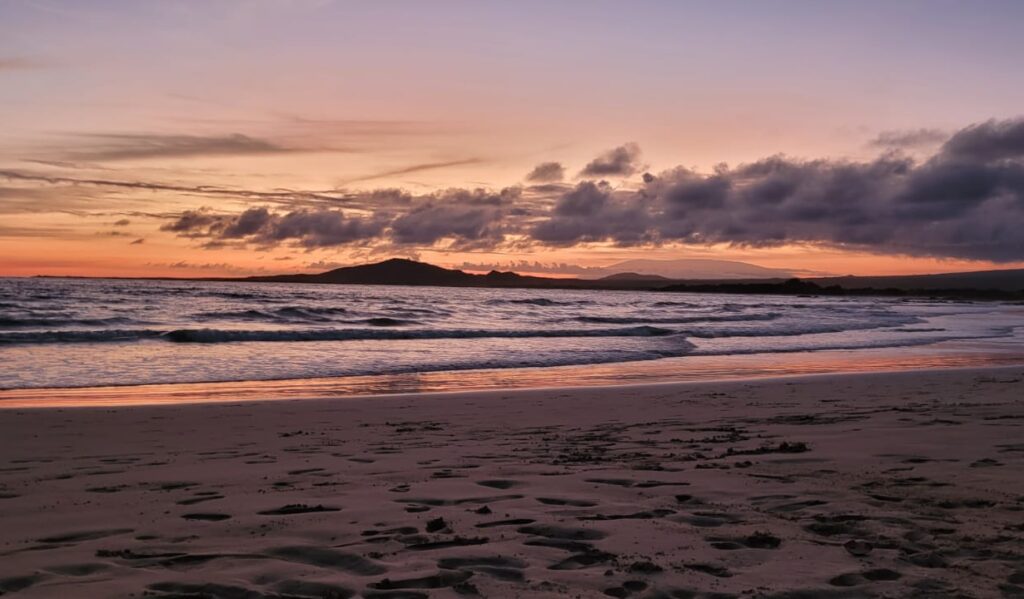
The long white-sand beach of Puerto Villamil stretches for several kilometers and is one of the most peaceful places on the island. In the evening, the light softens over the ocean and the volcanoes, making sunset walks along the shore a favorite ritual for both visitors and locals. During the turtle nesting season you also have great chances to see the mothers laying their eggs or even baby turtles hatching. If so, please make sure to stay quite, not use harsh light and leave them do their thing.

Snorkel at Concha de Perla 

Just a short walk from the Embarcadero lies Concha de Perla, a calm natural lagoon surrounded by mangroves. Wooden platforms provide easy access to the water, making it one of the best places on the island for independent snorkeling.

Sea turtles, rays, colorful fish and sometimes even small reef sharks can be seen in the clear water. Because the lagoon is naturally protected, the conditions are often ideal for a relaxed swim or snorkel.

Explore the Malecón

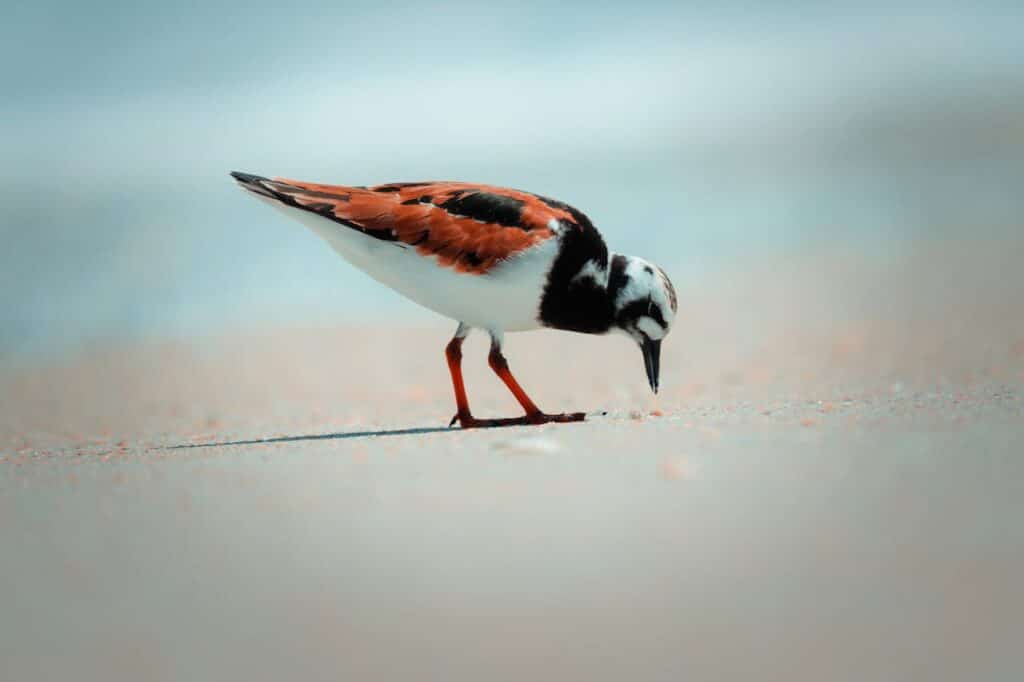
The Malecón of Puerto Villamil is a pleasant place to walk along the shoreline and observe wildlife up close. The rocky lava coastline here is an important nesting area for marine iguanas, and during the breeding season large numbers gather along the shore.

From the viewpoints along the Malecón, visitors can also watch the open ocean where marine birds frequently pass by. Blue-footed boobies, lava gulls and various shorebirds are often seen flying along the coast or resting on the lava rocks. The Malecon also invites to a sunset drink at the little bar or you can do so at the beach bars at the end of the town, where young locals gather and showcase their acrobatic slackline skills.

Visit the Tortoise Breeding Center

A short walk or bike ride from town leads to the Arnaldo Tupiza Tortoise Breeding Center, where visitors can observe Galápagos giant tortoises at different stages of their development.

The breeding center plays an important role in the conservation of these iconic animals. Entry costs $10 per person, and the surrounding wetlands are also home to flamingos and other bird species.

Bike to the Wall of Tears

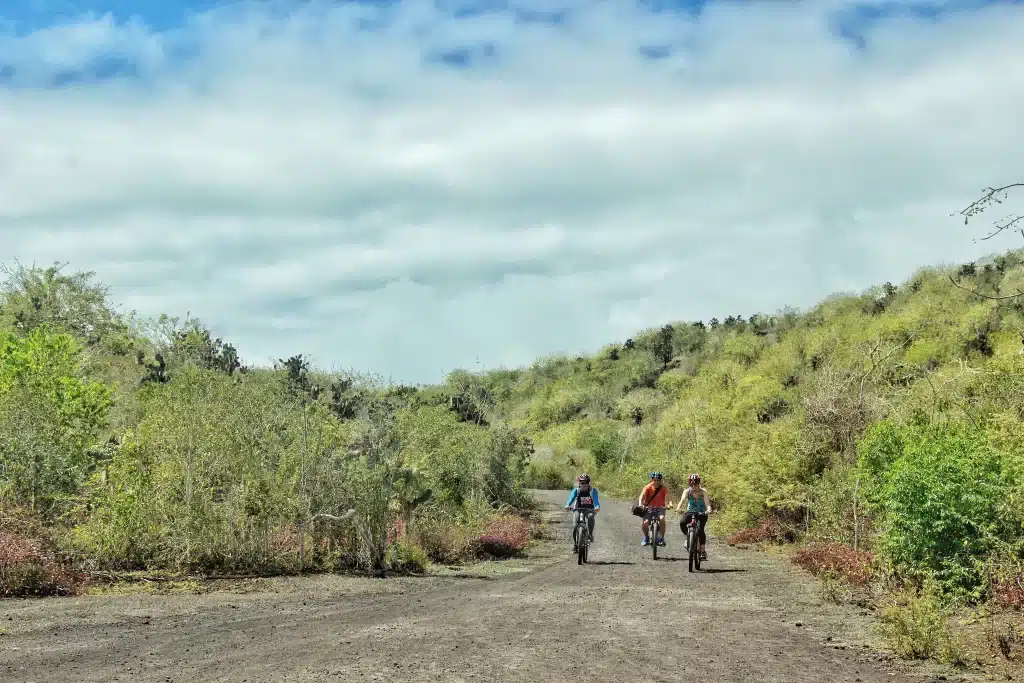
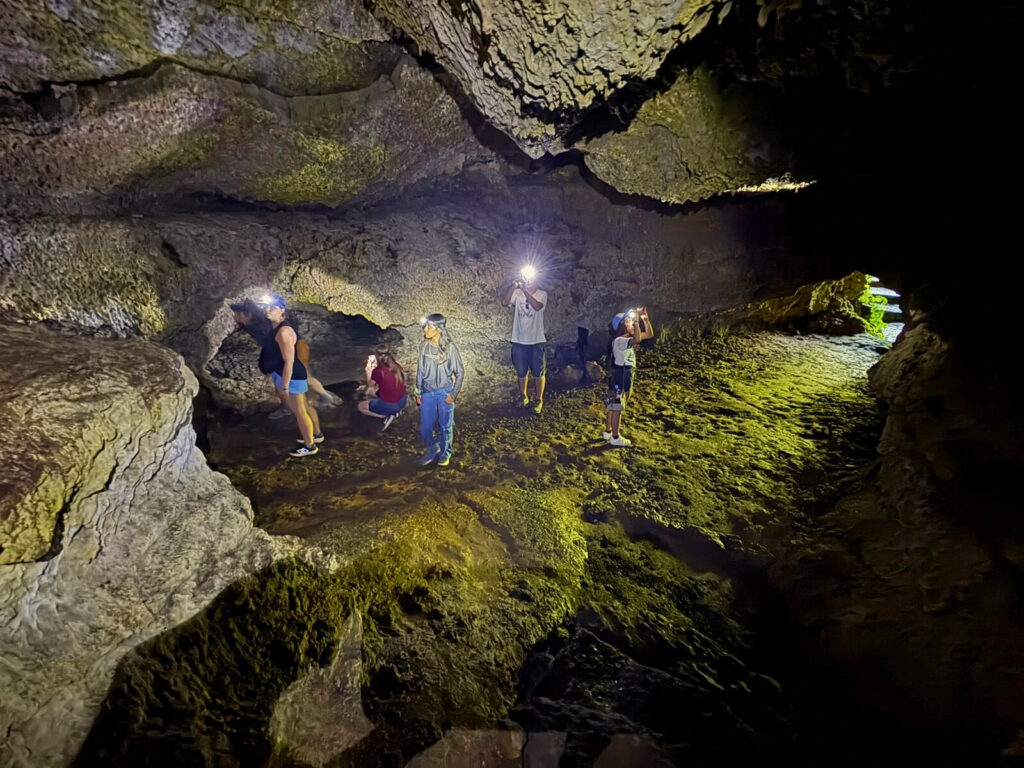
For travelers who enjoy a bit of exploration, renting a bicycle and riding west from Puerto Villamil is a great way to spend a morning or afternoon. The road passes beaches, lava tunnels and quiet viewpoints before reaching the historic Wall of Tears, a stone wall built by prisoners during the island’s penal colony era.

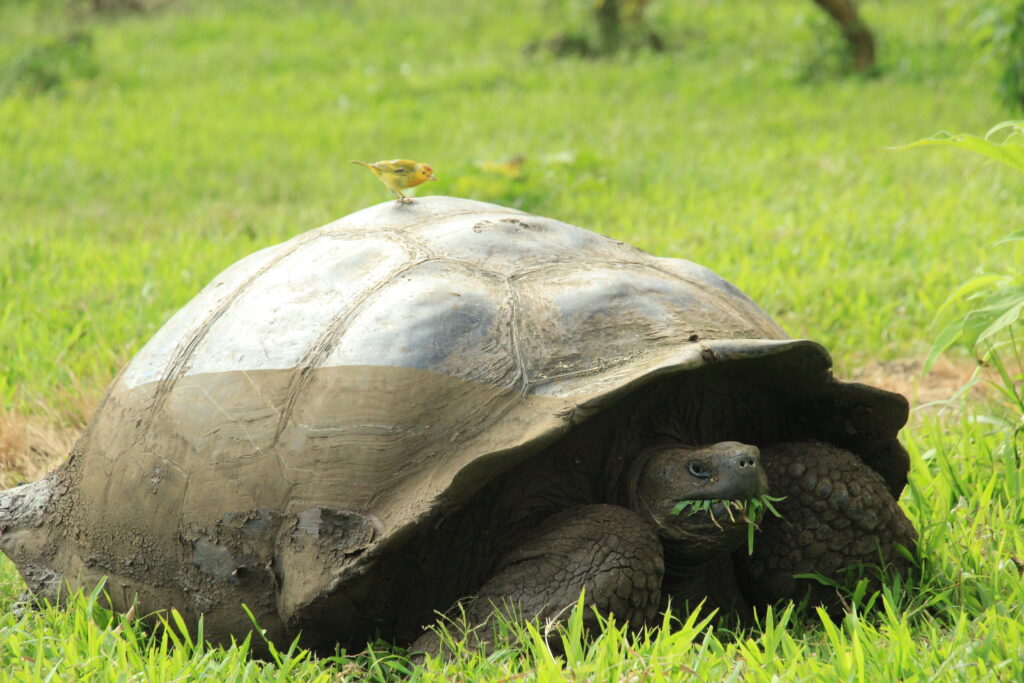
Along the way there are several places to stop, including small beaches, lookout points and lagoons where wildlife can often be seen. The Giant Tortoises can here also be found in the wild.

Visit the Highlands

The volcanic highlands of Isabela offer a completely different landscape from the coast. Local taxis can take visitors up into the highlands to explore places such as Cueva de Sucre, scenic viewpoints (Mirador de Mango & Cerro Grande) and small farms known as fincas, that mainly focus on producing tropical fruits and coffee.

These areas provide beautiful views across the island and are also one of the places where giant tortoises are sometimes seen in the wild.

Try Surfing on Isabela

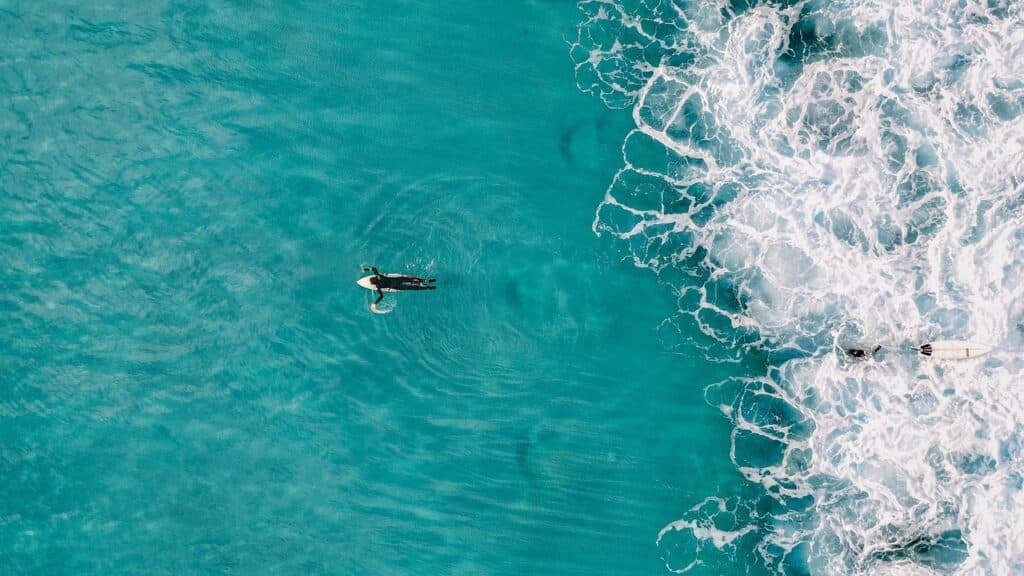
For those interested in the ocean, Puerto Villamil also offers good conditions for beginner-friendly surfing (el Faro) at certain times of the day. Surfboards and lessons can be arranged locally at relatively low cost, making it an accessible activity even without joining a formal tour. For advanced surfer there is a place called El Condenso.

Enjoy the Slow Rhythm of the Island

Sometimes the best activity on Isabela is simply slowing down. Renting a bicycle, relaxing on the beach, or watching the sunset from the shore are all part of the experience of staying on the island.

Many travelers find that these simple moments — walking through the village, observing wildlife along the coast, and enjoying the quiet evenings — become some of their favorite memories of the Galápagos.

Top Tours on Isabela

Los Tuneles

The most iconic snorkeling site on Isabela

Las Tintoreras by Kayak

The best place to spot the Galapagos Penguin

Cormorant Beach

The most adventurous tour to Isabela's West-side

Tortuga Island

The best snorkeling spot for hammerheads

Las Tintoreras by Boat

The best wildlife nursery for baby animals

Caleta Iguana

The best place to spot unique Wildlife

Cuatro Hermanos

The snorkeling trip with the most diverse wildlife

Sulphur Mines

The visually most active part of the Sierra Negra Volcano

Sierra Negra

The most impressive view of Isabela

How much time to spend here

To experience Isabela Island properly, we recommend spending three to four nights on the island. While it is technically possible to visit on a day trip from Santa Cruz, the journey by ferry takes several hours each way and leaves very little time to explore.

Staying a few days allows travelers to experience the island at a much more relaxed pace. Isabela offers a wide range of excursions — from snorkeling in remote lava formations to hiking across volcanic landscapes — and spreading these activities over several days makes the experience far more enjoyable.

A longer stay also leaves space for something that many travelers end up appreciating most: time to simply enjoy the island itself. Long walks along the beach, quiet sunsets, and the slow rhythm of life in Puerto Villamil are part of what makes Isabela so memorable.

Another advantage of staying a little longer is flexibility. Weather and ocean conditions can sometimes influence which excursions are possible on a given day, and occasionally special trips become available, such as visits to places like Cormorant Beach or Tortuga Island. Having an extra day on the island makes it much easier to take advantage of these opportunities.

A Typical Stay on Isabela


Day 1 - Arrival & Coastal Wildlife

Arrive by ferry from Santa Cruz and settle into Puerto Villamil. A short excursion such as Tintoreras or a kayak along the coast is a great way to start exploring the island and getting to meet the iconic Penguin.

Day 2 - Unforgettable Snorkeling Adventure

Spend the day discovering one of Isabela’s remarkable snorkeling sites, where sea turtles, reef sharks, rays and tropical fish are often encountered. For most people the top pick is Los Tuneles.

Day 3 - Volcano Landscape

Hike the Sierra Negra volcano and experience the dramatic volcanic landscapes that define the island.

Day 4 - Flexible Day

Use the extra day to relax on the beach, explore more of the coastline and the wall of tears, or join an additional excursion if an interesting opportunity arises.

When is the best time to visit?


The short answer: Isabela Island is a year-round destination.
There is no bad time to visit the Galápagos—but the experience changes slightly depending on the season.

The islands have two main seasons:

Warm & Wet Season (December to May)

This is often considered the “best time” to visit Isabela Island by tourists.

  • Sunny days and calmer seas
  • Warmer water temperatures
  • Lush green landscapes due to seasonal rains

Best for:

Wildlife is still abundant, with excellent chances to see:

  • Sea turtles nesting
  • Reef sharks and rays
  • Marine iguanas hatching

Cool & Dry Season (June to November)

This season is driven by the Humboldt Current and offers a very different—but equally impressive—experience.

  • Cooler air and water temperatures
  • More nutrient-rich waters → incredible marine life activity
  • Occasional misty (“garúa”)

Best for:

  • Wildlife lovers and photographers
  • Seeing more active marine life while snorkeling
  • Fewer crowds compared to peak months

This is one of the best times to spot:

  • Galápagos penguins
  • Blue-footed boobies nesting
  • Whales and dolphins (especially June–October)

So, when should you go?

In reality, the best time to visit Isabela Island depends more on your travel style than the season.

For us, though, the most special time of year is the transition months—April, May and November. This is when the island feels just right: warm and sunny without being too hot, calm seas, and very little rain. At the same time, the cooler Humboldt Current begins to arrive or just leaves, bringing plenty of marine life.

What makes it truly unforgettable, though, are the sunsets. They’re simply at their best during these months—dramatic, colorful, and different every single evening. And with fewer visitors around, the whole experience feels quieter, more personal, and almost untouched.

December to April

Expect sunny days, warm water, and calm snorkeling conditions.

June to October

Cooler waters bring incredible marine life activity—perfect for nature lovers.

April, May & November

A great balance of good conditions and a more relaxed atmosphere.