South Plaza & Carrion Point Day Tour Itinerary: What to Expect
Navigation from Puerto Ayora to Plaza Sur Island
Your day starts around 8:00 a.m. in Puerto Ayora, with a drive through the lush Santa Cruz highlands to the Itabaca Channel. From there, it’s just under an hour by boat to South Plaza. Watch for seabirds passing the boat and look back at the Santa Cruz coastline for signs of the geological uplift that shaped this part of the Galápagos.
As you approach South Plaza, you can see what that uplift left behind. The island tilts from a low northern shore up to steep cliffs on its southern side. A dinghy takes you to the dock for a normally dry landing. Look to either side as you come in and you may see sea lions swimming past. Just beyond the pier, the first giant prickly pears mark the start of the walk, and there’s a good chance you’ll spot a land iguana before you’ve gone far.
The South Plaza Walk: Giant Cacti, Cliffside Seabirds & a Rare Hybrid Iguana
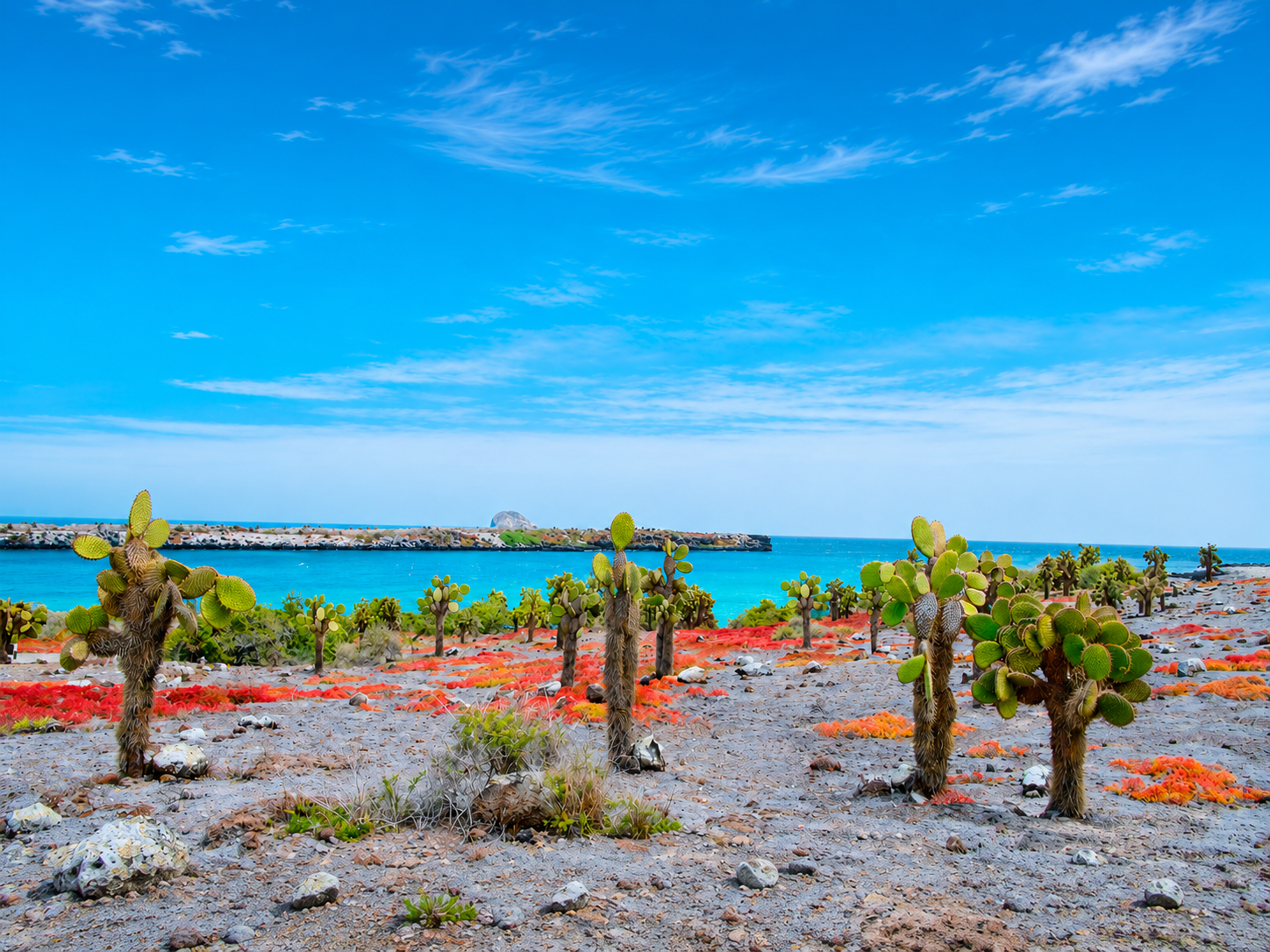
Follow the trail past those first prickly pears and you’ll see why the land iguanas spend so much time beneath them. The cacti offer shade, but their fallen flowers, fruits and pads also provide food. Between the cactus trunks, a low carpet of native succulents changes from green to shades of red with the seasons. Look closely at the prickly pears and you’ll notice spines angled down toward the ground. Prickly pears vary from island to island, and so do their defenses. On South Plaza, land iguanas reach for the plants from below. Elsewhere in the Galápagos, giant tortoises are among the animals that feed on them, making them grow outwards or even upwards for birds.
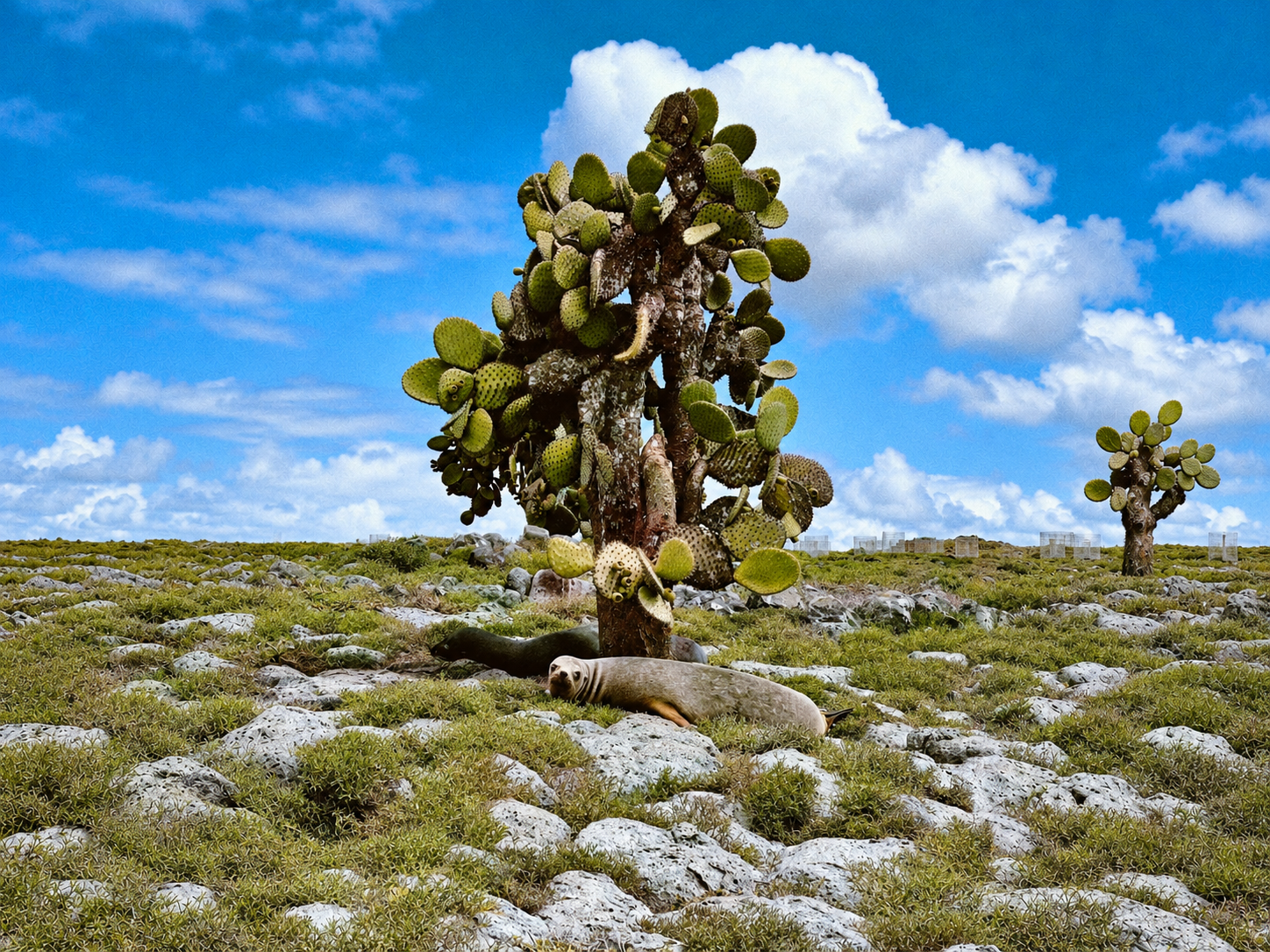
Look for young cacti growing behind protective mesh near the towering old plants. The 1982–83 El Niño took a toll on mature prickly pears. Additionally, the Galápagos hawk, a natural predator of land iguanas, disappeared from Santa Cruz. With that predator gone, land iguanas became more numerous, and their grazing made it harder for young cacti on South Plaza to take hold. Since 2014, the Galápagos Verde 2050 team has planted more than 1,300 prickly pears here. The mesh keeps iguanas from eating the new plants before they’re big enough to defend themselves.
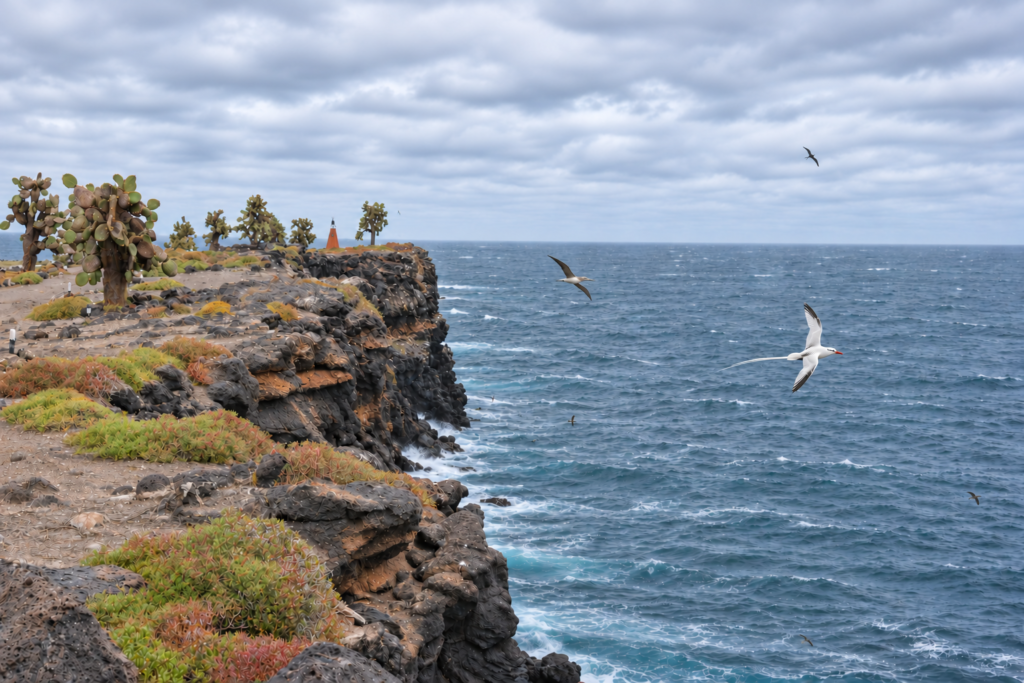
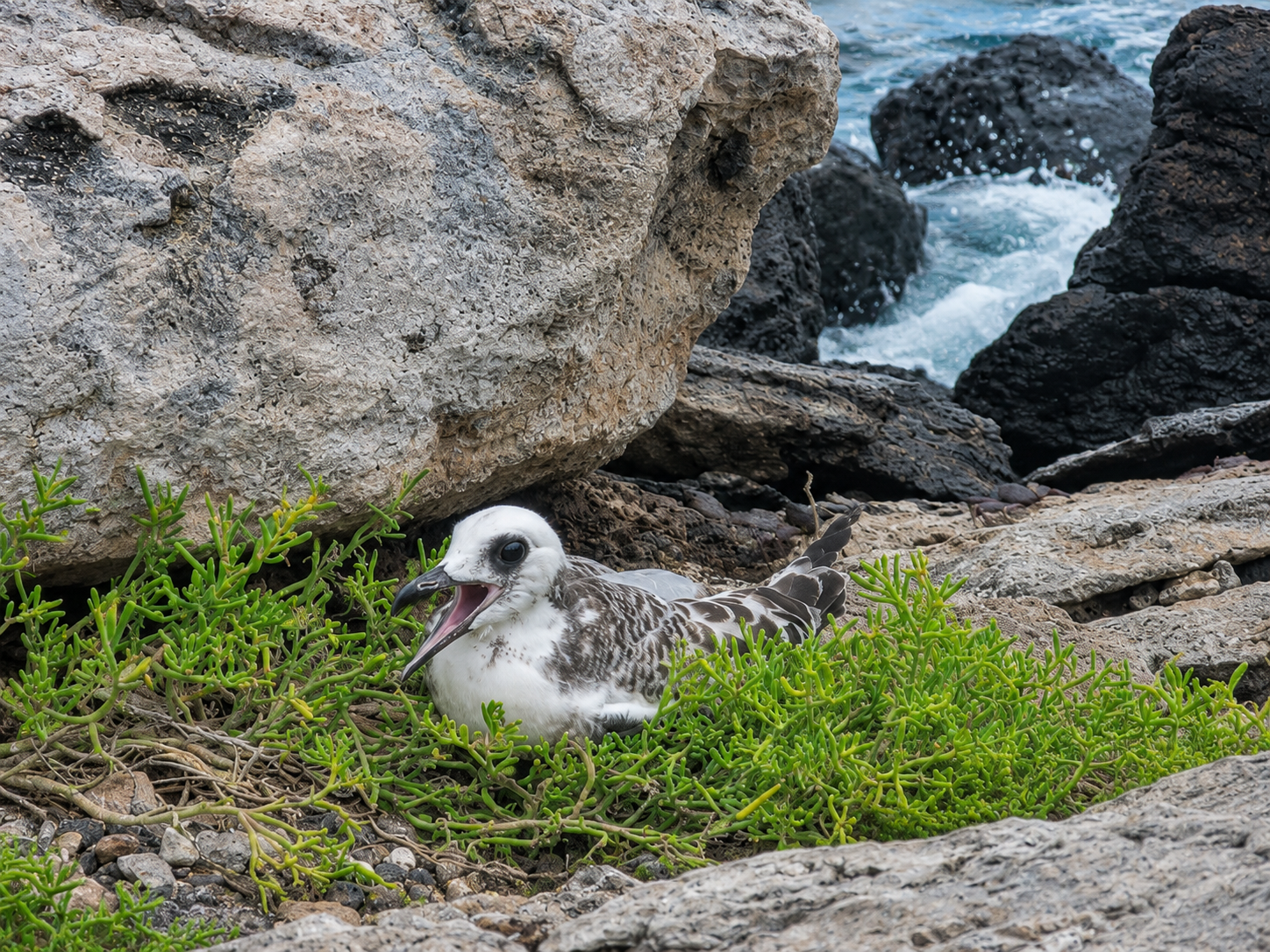
The guided walk takes about 1.5 hours, raising gently over uneven ground to the southern cliffs. From the rim, watch red-billed tropicbirds sweep past with their long tail streamers, swallow-tailed gulls fly along the cliff and frigatebirds soar overhead. Look farther out for shearwaters and petrels skimming the sea. Also, keep an eye out for one of the Galápagos’ most recognizable birds, too. Blue-footed boobies sometimes sit on the cliffs or plunge into the water offshore. At the steep eastern end, observe large male sea lions resting on the cliffs.
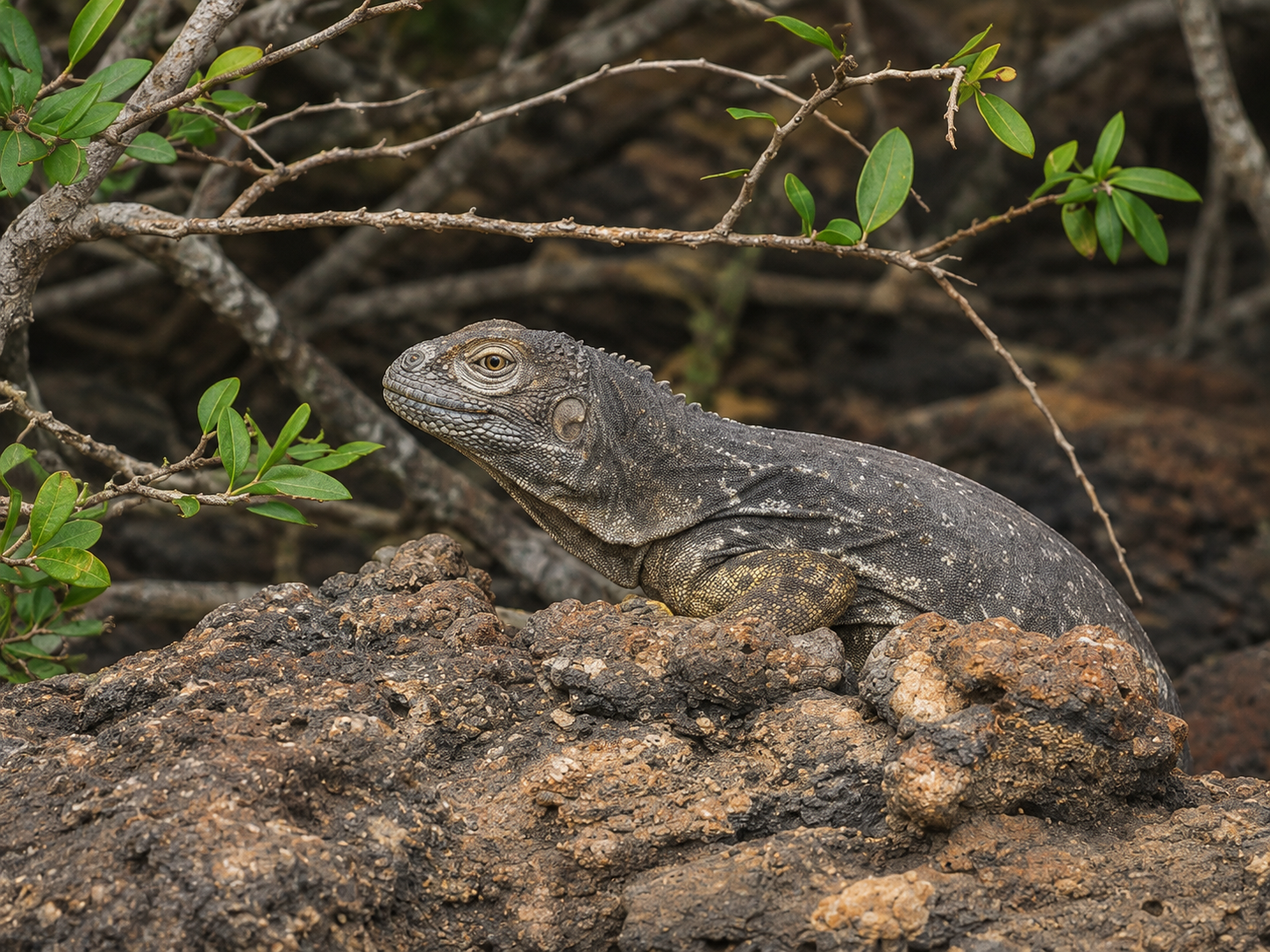
As the trail loops back toward the bay facing North Plaza, swallow-tailed gulls gather along the shore. You might see a big sea lion bull resting in the grass or a mother nursing her pup. Some stretches of rock shine like polished marble which offers a nice contrast to the all surrounding black basalt. Land iguanas and marine iguanas share this stretch of trail, and with luck you might spot the rare hybrid, a cross between the two that has exclusively been documented on South Plaza.
Lunch on Board & Snorkeling at Carrion Point
After the walk, enjoy lunch on board then head to Carrion Point (Punta Carrión), just inside the eastern end of the Itabaca Channel. From the dinghy, you can see high rock walls rising above the channel, with frigatebirds perched on reddish outcrops. The shoreline here is sheltered, so the water is often calm and clear enough to see what awaits below the surface.
You enter the water from the dinghy at the deeper end of the route (aprox. 6 to 7 meters). Snorkel along the coastal edge for whitetip reef sharks resting near the bottom or blacktip reef sharks swimming past. Along the rocks, discover white sea urchins, slender trumpetfish and schools of striped sergeant majors. In places, you can still see living colonies of Porites and Pavona corals tucked among the boulders.
As the route gets shallower, there’s more color close to the surface. Reef fish weave around the rocks, lobster antennae poke out of crevices, and you may even see a sea turtle gliding past. The snorkel finishes over a shallow stretch of sand where the water is especially calm and clear (aprox 2 meters). It’s the perfect place for beginners. Look for rays against the pale bottom and watch schools of salemas pass or sometimes even a sea lion might swims through.
Back on board, have a snack on the short ride to the dock, about 15 minutes away. From there, the bus takes you back to Puerto Ayora, arriving around 4:00 p.m.